Jerusalem Underground Tour
Visitor Guide

Jerusalem Tourist Sites

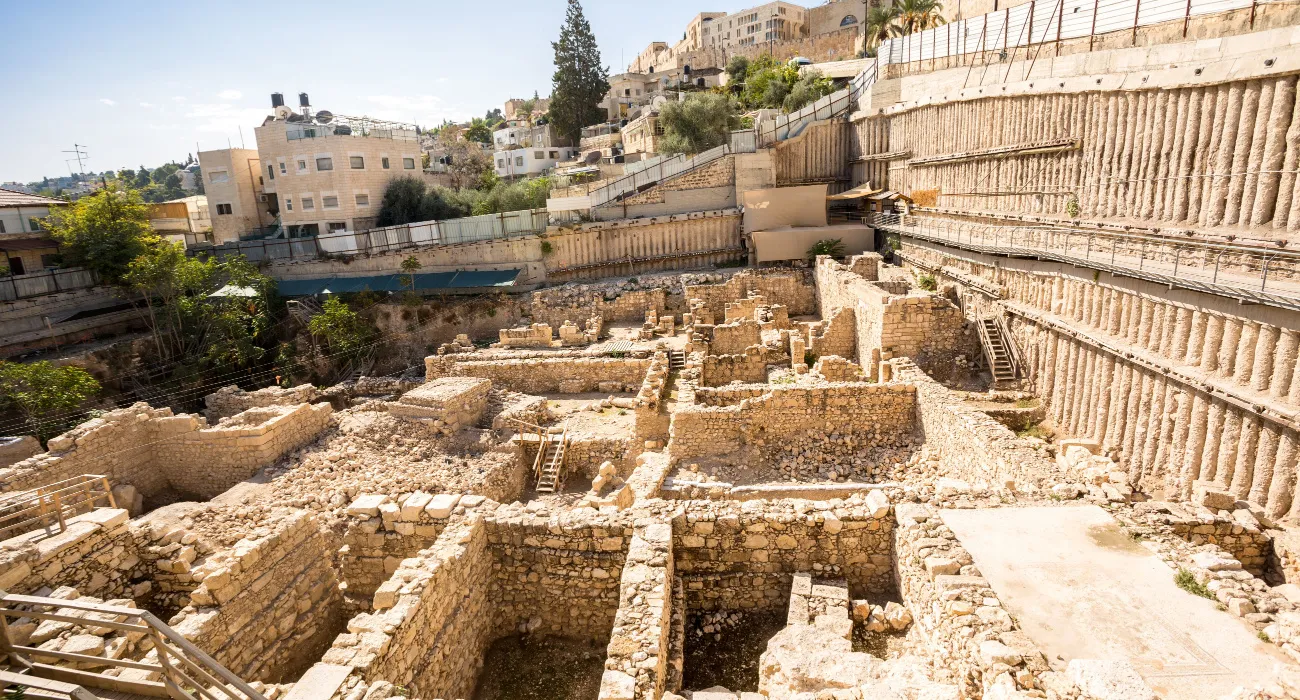
The City of David sits at the original core of ancient Jerusalem, where the biblical city began three millennia ago. This sprawling archaeological park descends through layers of history—from Iron Age fortifications to Herodian-era water systems—and requires advance planning to navigate its tunnels, staircases, and exposed bedrock pathways.

8 min read Updated 2026-08-24 Fact-checked
Jerusalem Tourist Sites

Quick answer

The City of David is open Sunday through Thursday and Saturday from 08:00 to 17:00, with Friday hours ending at 14:00. Standard adult admission is 28 ILS. The site lies below the Old City walls on Ma'alot Ir David Street and encompasses multiple underground routes, including Hezekiah's Tunnel and the Canaanite passageways, with a recommended arrival window of 08:00 to 15:00 to complete the full circuit before closing.

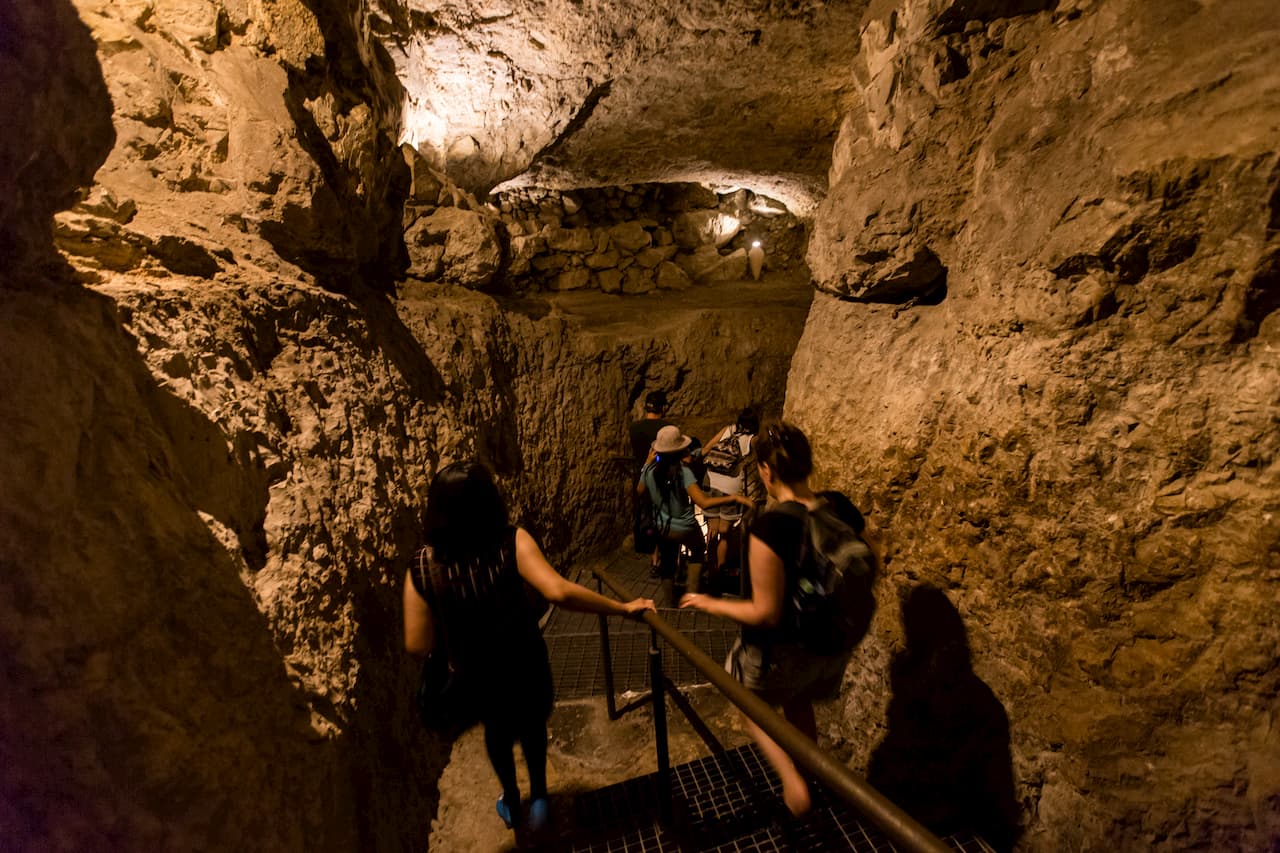
Forty meters beneath the tourist thoroughfares of Jerusalem's Old City, a spring-fed tunnel carved in 701 BCE still channels water through bedrock. Hezekiah's Tunnel is the best-known feature of the City of David, but the site's significance extends far beyond a single aqueduct. This is where Jerusalem began—a fortified ridge between the Kidron and Tyropoeon valleys, occupied continuously for more than three thousand years and now accessible as an archaeological park that descends through strata of Canaanite walls, Davidic-era structures, Second Temple infrastructure, and Byzantine drainage channels. Among jerusalem tourist sites, the City of David demands more logistical preparation than most. The park sprawls across a steep slope, and its signature routes involve wading through knee-deep water, navigating narrow passages lit by handheld lamps, and climbing stone staircases worn smooth by millennia of foot traffic. The site operates on a schedule shaped by Jerusalem's weekly rhythms: standard hours hold Sunday through Thursday and Saturday, but Friday closes at midday to accommodate Shabbat preparations. Visitors arriving after 15:00 risk insufficient daylight and time to complete the longer underground routes, which can take ninety minutes or more when crowded. The park's layout divides into surface-level excavations and subterranean systems. Aboveground, the Area G dig exposes the Large Stone Structure—a monumental building dated to the tenth century BCE and attributed by some archaeologists to the Davidic monarchy. Below, two water routes offer contrasting experiences: Hezekiah's Tunnel, a 533-meter channel requiring water shoes and waterproof provisions, and the Canaanite Tunnel, a dry but confined passage through Bronze Age mining shafts. Both emerge at the Pool of Siloam, a recently excavated pilgrimage basin mentioned in the Gospel of John. Jerusalem's historical attractions cluster within walking distance of the City of David. The Western Wall stands 400 meters to the northwest; the Temple Mount platform rises directly above the park's northern edge; and the Kidron Valley terraces lead southeast toward the village of Silwan and the Hinnom Valley overlook. The site functions as an anchor for deeper exploration of First Temple-period Jerusalem, but it is not a casual stop—plan for three hours minimum, bring adequate water, and confirm seasonal closures tied to Jewish holidays before departure.

“This is where Jerusalem began—a fortified ridge between the Kidron and Tyropoeon valleys, occupied continuously for more than three thousand years.”
Timing

When to Visit Jerusalem Tourist Sites: The City of David

The best arrival window is 08:00–15:00 to avoid mid-afternoon heat and ensure sufficient time to complete the full site tour before close. Planning your visit for these hours provides the most consistent experience for navigating the underground passages.

Spring (April-May)

Moderate crowds

Mild, 18°C–25°C. Pleasant for extended walking tours.

Autumn (Oct-Nov)

Moderate crowds

Cooler, 17°C–24°C. Ideal conditions for underground exploration.

Summer (June-Sept)

Peak tourist traffic

Hot, 25°C–32°C. High temperatures make morning arrivals necessary.

Weekday mornings

Low to moderate

Early arrivals experience smaller groups in narrow tunnels.

Verdict: For the best experience, arrive between 08:00–15:00 on a weekday during April or October to balance comfortable weather with manageable crowd levels.

Opening hours

Opening Hours for Jerusalem Tourist Sites: City of David

The City of David National Park operates on a consistent weekly schedule, remaining open seven days a week to accommodate visitor itineraries.

Monday
08:00–17:00
Tuesday
08:00–17:00
Wednesday
08:00–17:00
Thursday
08:00–17:00
Friday
08:00–14:00
Saturday
08:00–17:00
Sunday
08:00–17:00
Visitors are encouraged to arrive early to ensure sufficient time to complete the full site tour before closing.
Directions

Navigating to Jerusalem Tourist Sites: Reaching the City of David

The City of David is located just outside the Old City walls at Ma'alot Ir David St. Reaching the site is most efficiently managed via public bus or private taxi.

Bus 20–30 min Variable

Line 1 or 3 to City of David stop

Taxi 15–20 min

Direct to Ma'alot Ir David St

On foot 5–10 min

From Dung Gate (Old City)

The site entrance is situated at Ma'alot Ir David St. Use the provided address in your navigation app to reach the main gate directly.

What to see

Notable Features at Jerusalem Tourist Sites: The City of David

The City of David contains extensive subterranean archaeological features that reveal the engineering and infrastructure of ancient Jerusalem. Visitors explore these excavated passages to understand the city's development and water management systems.

Warren's Shaft

Warren's Shaft

A vertical limestone tunnel system used to access the Gihon Spring from within the city walls. This engineering feat allows visitors to descend into the heart of the ancient water network.

Look up while inside to see the vertical shaft structure.
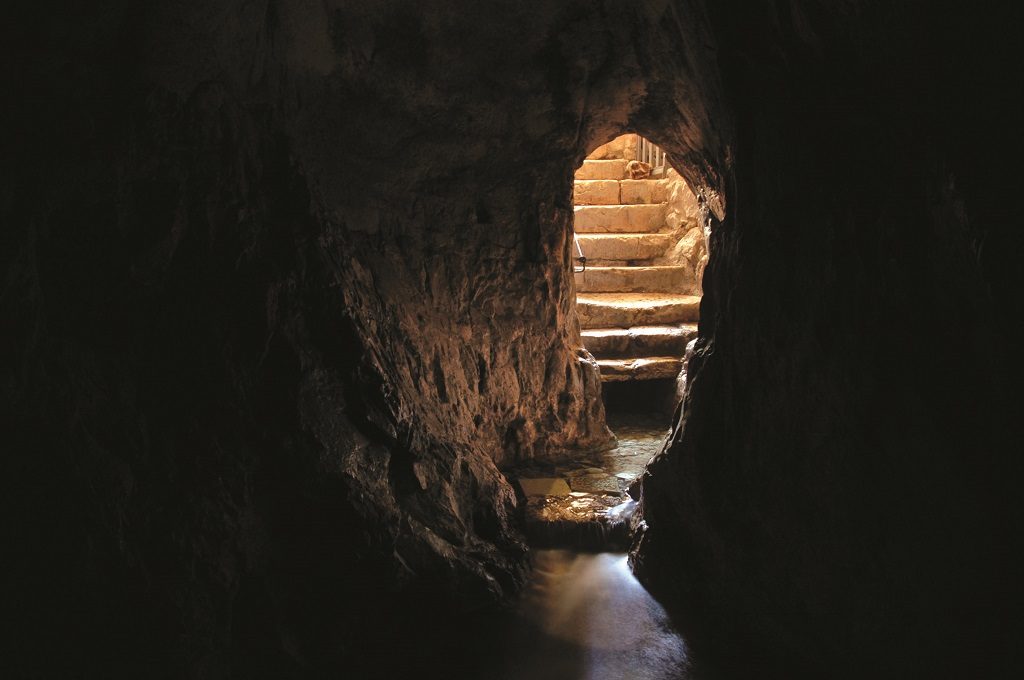
Gihon Spring

Gihon Spring

The natural karst spring that served as the primary water source for early Jerusalem. It feeds into the various tunnel systems designed to distribute water throughout the settlement.

Visit early to view the water flow before crowds increase.

Hezekiah's Tunnel

Hezekiah's Tunnel

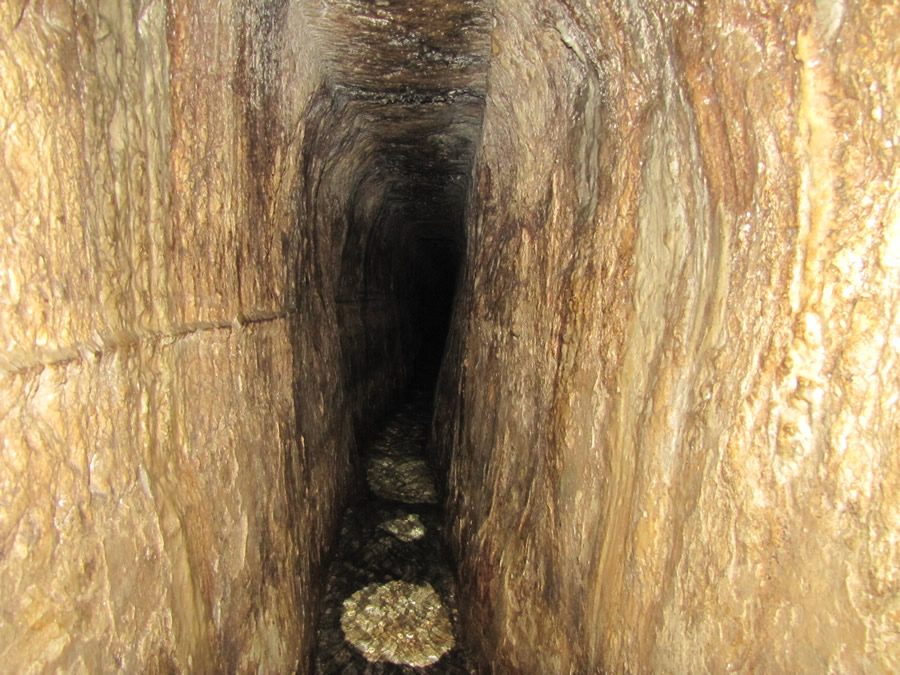
A 533-meter subterranean water channel carved through solid rock to ensure a secure water supply. The path remains active and requires walking through knee-deep water.

Bring water shoes and a flashlight for the tunnel walk.

The Siloam Pool

The Siloam Pool

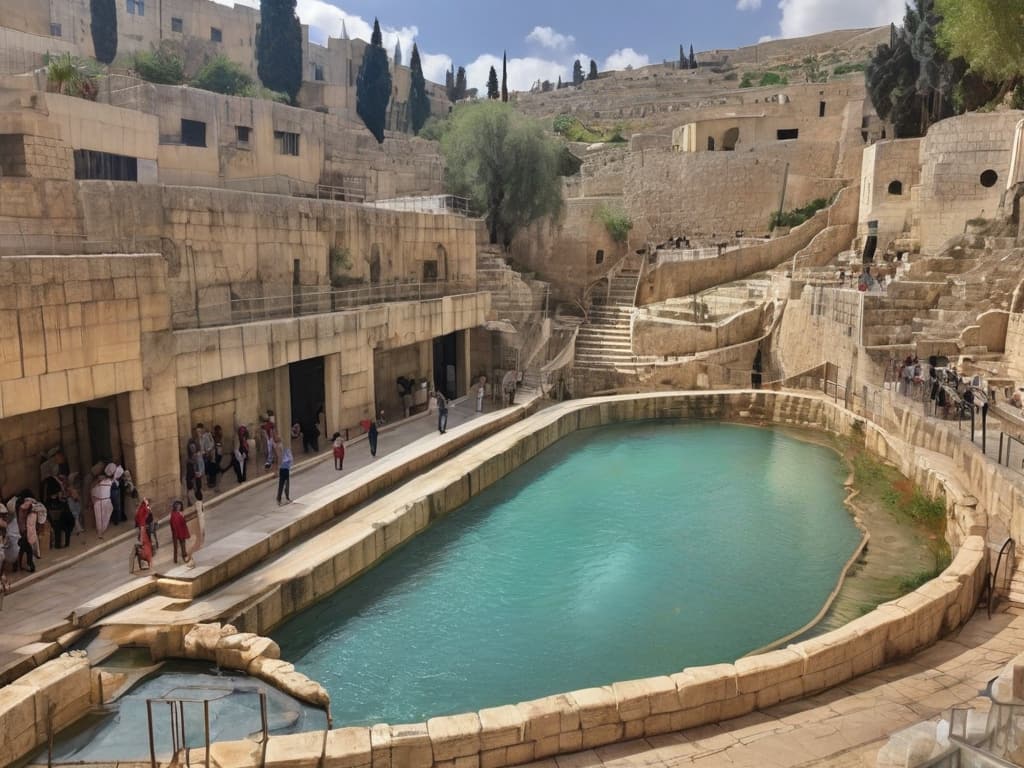
A historical reservoir located at the southern end of the water systems. It served as a ritual site and a critical point for the city's water infrastructure.

Walk to the end of the tunnel to see the pool.

Nearby

Combining Jerusalem Tourist Sites: Locations Near the City of David

The City of David is located in the historic core of Jerusalem, allowing for seamless integration with other significant cultural and archaeological sites. These locations provide a broader context to the ancient history explored during your underground tour.

Western Wall

Western Wall

10 min walk

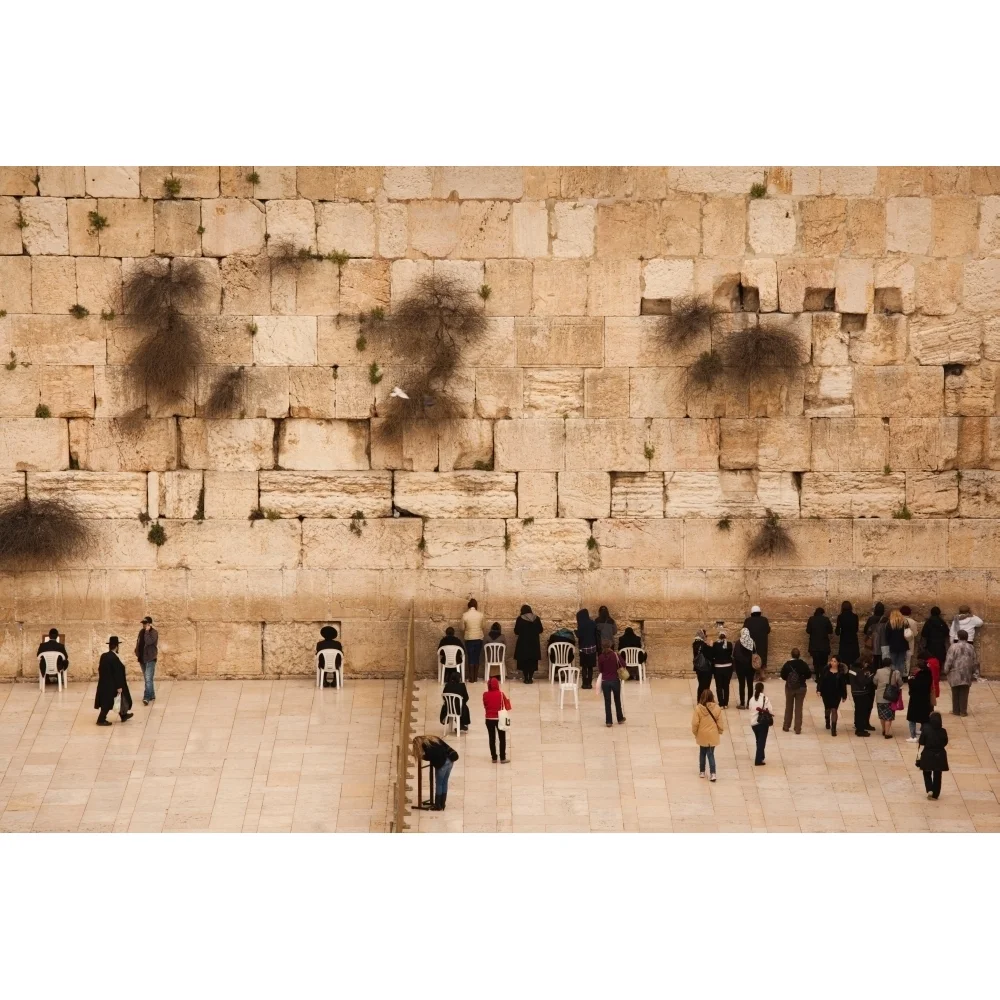
This site offers a connection to the Herodian-era remnants, complementing the earlier history found at the City of David.

Davidson Center

Davidson Center

8 min walk

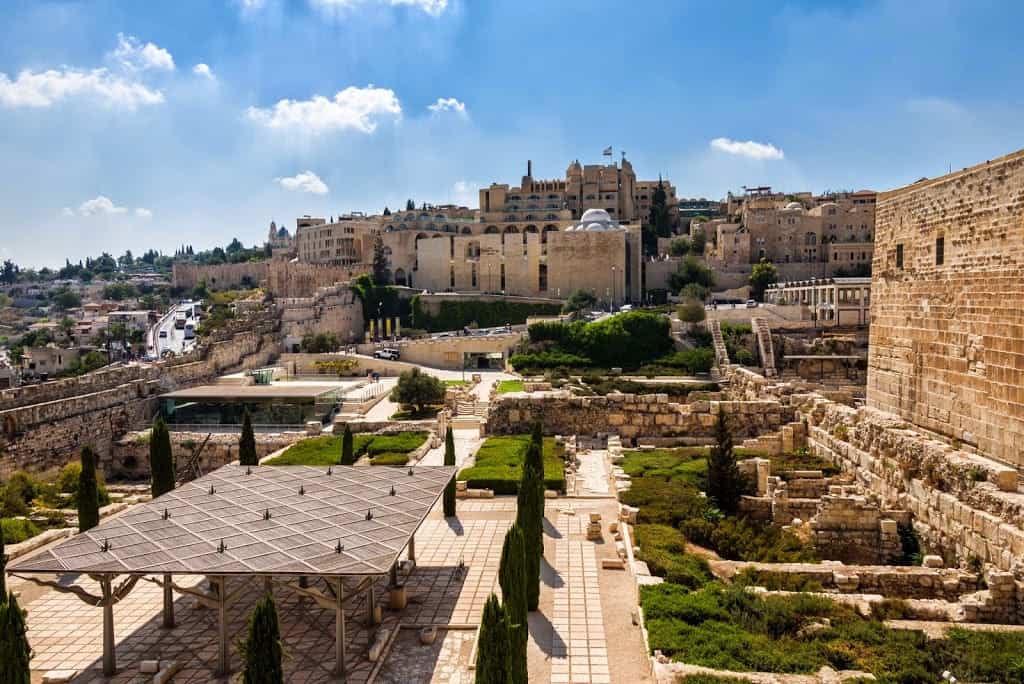
Located at the southern end of the Western Wall, this archaeological park houses the Southern Wall excavations and provides context for the city's development.

Mount of Olives

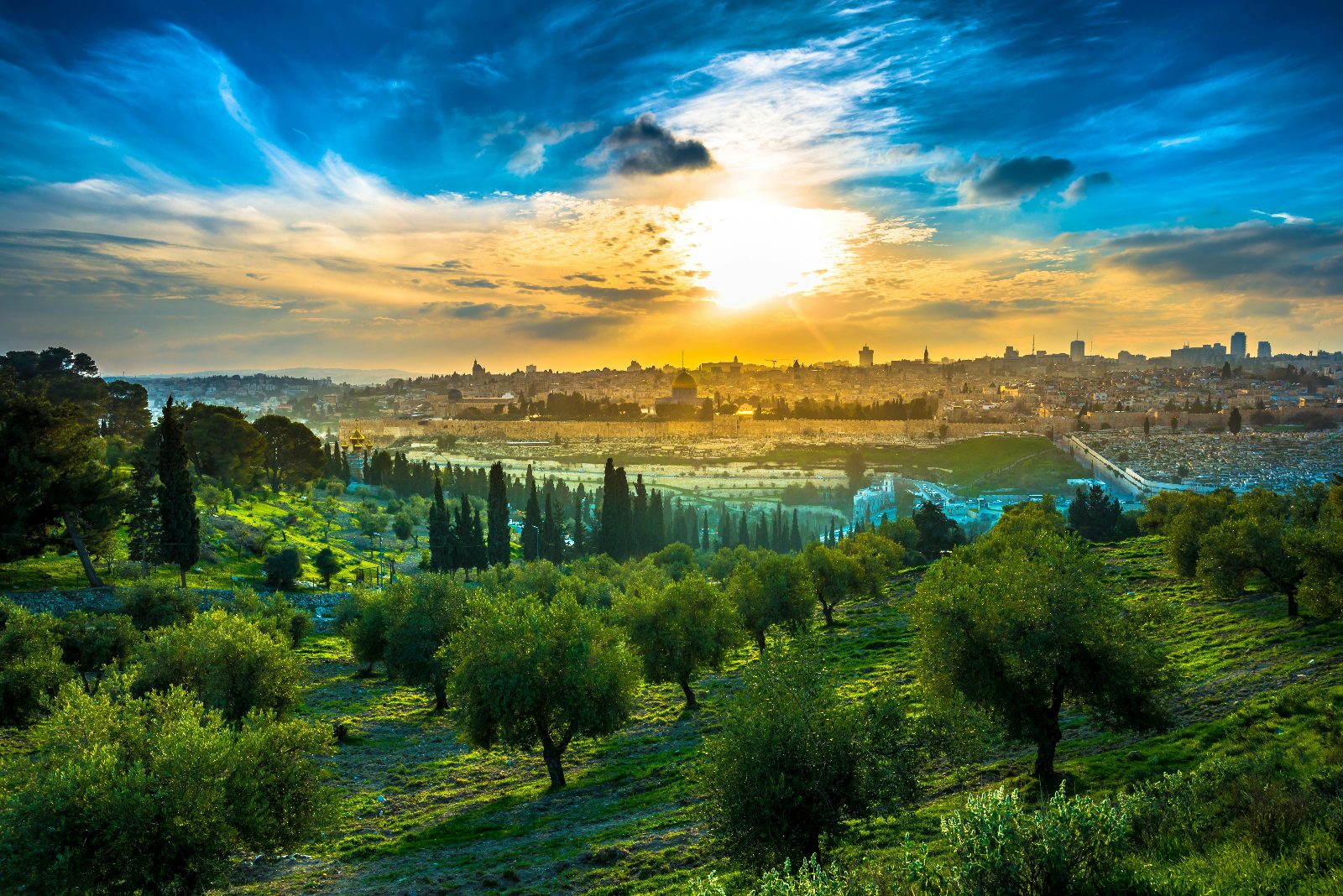
Mount of Olives

20 min walk

A walk to this vantage point provides a panoramic view of the area you just explored, helping to orient the ancient city within its topographical setting.

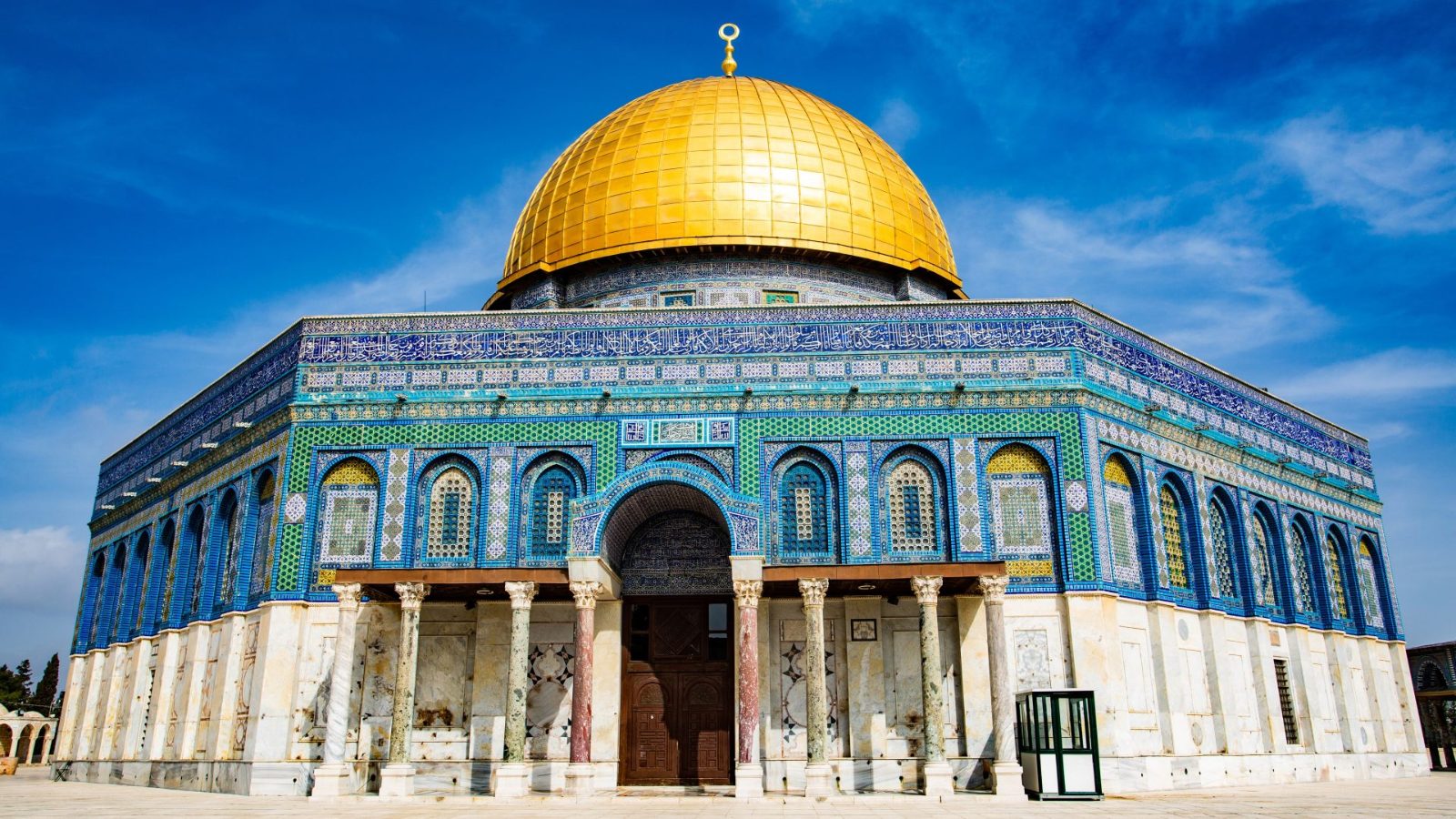
Temple Mount

Temple Mount

15 min walk

As the focal point of Jerusalem's history, this site is historically linked to the expansion of the city from the City of David ridge.

Checklist

Preparation Checklist for Jerusalem Tourist Sites

A few practical steps will ensure a smooth visit to the City of David archaeological site.

Book

Check availability

Frequently asked

Frequently Asked Questions About City of David Jerusalem Tourist Sites

Everything you need to know about jerusalem tourist sites

How much does it cost to visit the City of David?

The standard adult entry fee to the City of David National Park is 28 ILS. Please check the official website for any specific requirements or updates regarding admission.

What are the opening hours for these Jerusalem tourist sites?

The site is open Sunday through Thursday from 08:00–17:00, Friday from 08:00–14:00, and Saturday from 08:00–17:00. These hours apply to the general access of these Jerusalem tourist sites.

When is the best time to visit the City of David archaeological park?

We recommend arriving between 08:00–15:00 to avoid the peak afternoon heat. This window also ensures you have sufficient time to complete the full site tour before closing.

Is it necessary to book a Jerusalem underground tour in advance?

While walk-ins may be possible, booking your Jerusalem underground tour through the official site is recommended to ensure your preferred time slot. This helps secure your place at one of the most significant Jerusalem tourist sites.

Where is the City of David located in Jerusalem?

The site is located at Ma'alot Ir David St, Jerusalem. It is easily accessible within the city for those exploring various Jerusalem landmarks.

Can children participate in a visit to these historical Jerusalem landmarks?

Yes, families are welcome to explore these Jerusalem tourist sites together. Ensure that younger children are prepared for walking on uneven terrain typical of an ancient excavation site.

How long should I plan to spend at the site?

Most visitors spend several hours exploring the tunnels and ruins. We suggest allocating enough time to navigate the path at a steady pace without feeling rushed.

Keep reading

More guides & pages