9 hr
Underground Jerusalem & City of David Day Tour
Descend into ancient Jerusalem's origins with archaeological excavations, hidden tunnels, and biblical sites
Reserve
Wade through Iron Age waterworks, stand in Canaanite halls carved three millennia past
Hand-picked by our editors — only the best 4 tour operators from 11 reviewed
Verified partners for Jerusalem Underground tours, free cancellation where available, and instant confirmation on every booking.
9 hr
Descend into ancient Jerusalem's origins with archaeological excavations, hidden tunnels, and biblical sites
Reserve
11 hr
Descend beneath modern Jerusalem to walk ancient streets where biblical history was made
Reserve
4 hr
Four-hour guided walk through sacred quarters, visiting Christianity, Judaism, and Islam's holiest sites
ReservePrices from verified partners. Availability updates in real time at checkout. Free cancellation policies apply where shown.
The landmarks, rooms, and views travelers on Jerusalem Underground tours remember — all visible on a single visit.
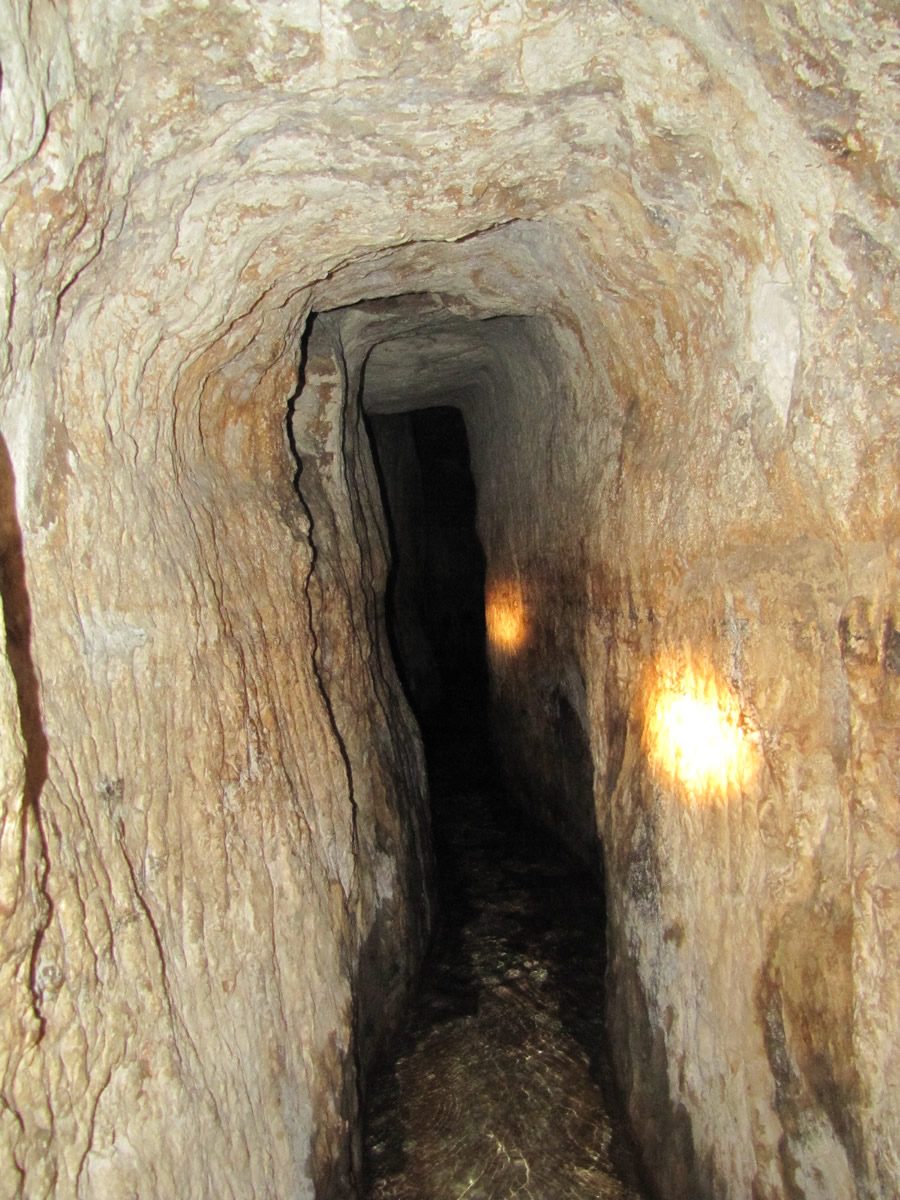
This 2,700-year-old tunnel was carved through solid rock to supply water during a siege.
The historical destination where the water tunnels terminate, once a vital water source.
An ancient, stone-paved street used by pilgrims traveling to the Second Temple.
The original water source that made the establishment of the ancient city possible.
Known as the site of the Palace of King David, overlooking the Kidron Valley.
Every Jerusalem Underground tour side-by-side — duration, what's included, how you redeem.
| Experience | Duration | Rating | Skip-the-line | Guide | Small group | Free cancel. | Price | |
|---|---|---|---|---|---|---|---|---|
|
Guided Experience Most popular
Underground Jerusalem & City of David Day Tour
|
9 hr | ★ 4.5 | ✓ | ✓ | ✓ | ✓ | €76 | Book → |
|
Guided Experience
City of David & Underground Jerusalem
|
11 hr | ★ 4.7 | ✓ | ✓ | ✓ | ✓ | €85 | Book → |
|
Guided Experience
Old City Jerusalem Walking Tour
|
4 hr | ★ 4.7 | ✓ | ✓ | ✓ | ✓ | €52 | Book → |
All prices from verified partners. Availability and exact terms confirmed at checkout.
The City of David offers a rugged, immersive adventure, while the Western Wall Tunnels provide a more contemplative journey through Second Temple history; they are complementary Jerusalem landmarks.
| Feature | Top pick City of David | Western Wall Tunnels |
|---|---|---|
Primary Focus |
Archaeology and water systems | |
Physical Activity Level |
Moderate to high; Low | |
Water Interaction |
Possible wading in tunnel | |
Historical Era |
Bronze and Iron Age; Second Temple Period | |
Advance Booking Necessity |
High for jerusalem underground tour tickets; Mandatory | |
Accessibility |
Limited by uneven terrain; Mostly accessible | |
| See tickets → |
Verdict: Choose the City of David for an active jerusalem underground tour experience, or the Western Wall Tunnels for a deeper look at the architectural scale of ancient Jerusalem underground tour tours.
Choose your ticket, select your date, and reserve in under two minutes. Secure checkout handled by our verified partner.
Instant confirmation by email, with a mobile voucher you can save offline. No printing, no queuing at a collection desk.
Arrive at the entrance, show your voucher on your phone, and walk in. Most tickets include priority or skip-the-line access.
Practical details for Jerusalem Underground tickets straight from our verified partners — hours, access, rules, and how to get there.
Modest dress is recommended when visiting the jerusalem underground tour. Please wear comfortable walking shoes suitable for uneven terrain and potentially wet conditions if entering the water tunnel.
Security screening is standard at the entrance of the jerusalem underground tour. Large bags may be restricted, though lockers are provided on-site for visitor convenience.
Photography is permitted throughout most of the jerusalem underground tour. Please be respectful of other visitors and do not use flash in sensitive archaeological areas.
The visitor center and several upper paths of the jerusalem underground tour are wheelchair accessible. Deep tunnels may present challenges; please contact staff for specific guidance.
Mobile phones are permitted. Keep ringer off inside exhibition spaces.
The jerusalem underground tour is popular with families. Children should be comfortable walking and navigating dark, confined spaces if participating in the wet tunnel route.
A snack bar is available at the jerusalem underground tour visitor center. Consuming food and drinks inside the archaeological tunnels is prohibited.
Pets are not allowed, with the exception of service animals with appropriate documentation.
Last entry is typically 1 hour before closing. Check the specific ticket for timing.
Best time to go, insider tips, nearby landmarks, and the cancellation fine print — flip through to skim what matters to you.
Flexible, no hidden fees.
Reservations for a jerusalem underground tour can typically be cancelled until the day before the visit. Please check specific booking terms for your tickets regarding the 28 ILS general admission fee.
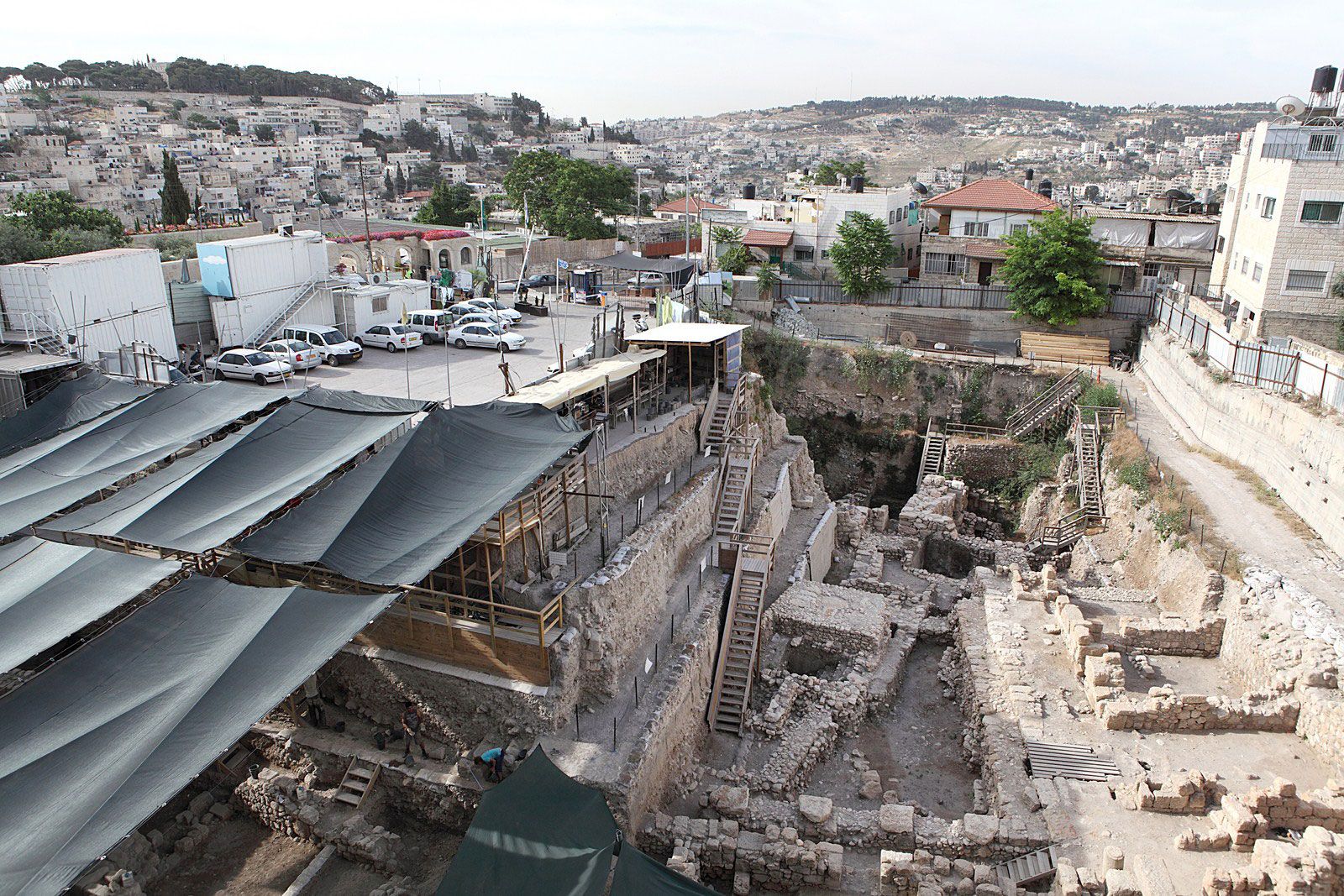
Beneath the contested hills of Silwan, archaeologists have traced the bedrock footprint of Iron Age Jerusalem back to the tenth century BCE, revealing a fortified Canaanite citadel that predates Solomon's reign by three hundred years.
The City of David site—named for the biblical king who captured the Jebusite stronghold around 1000 BCE—sits outside the Ottoman walls of today's Old City, a geographical puzzle that confounds first-time visitors expecting ruins within the familiar ramparts. Excavations begun in the 1850s by British engineer Charles Warren and accelerated after 1967 have exposed twenty-five centuries of continuous habitation, from Bronze Age mudbrick to Byzantine mosaics, compressed into a narrow spur no wider than a hundred meters at its base.
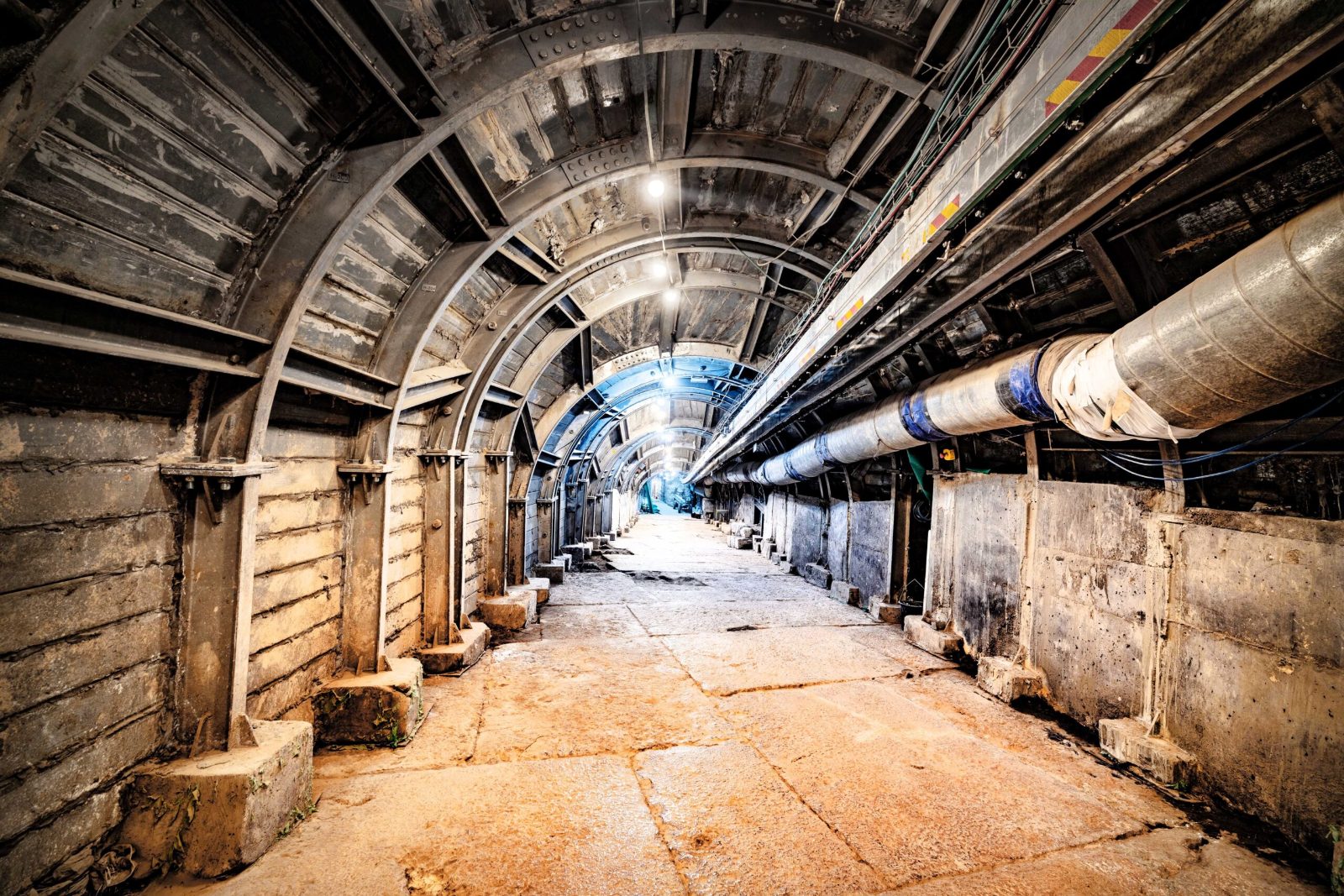
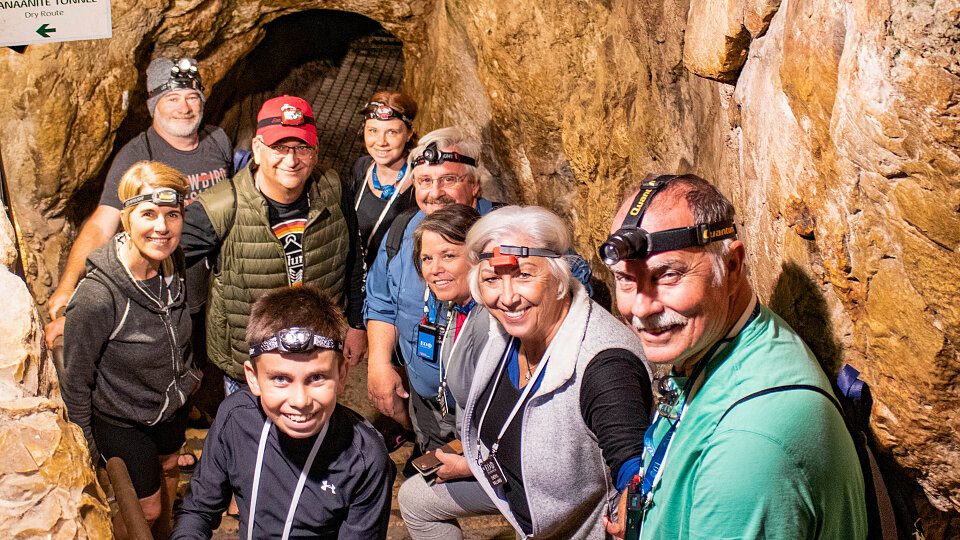
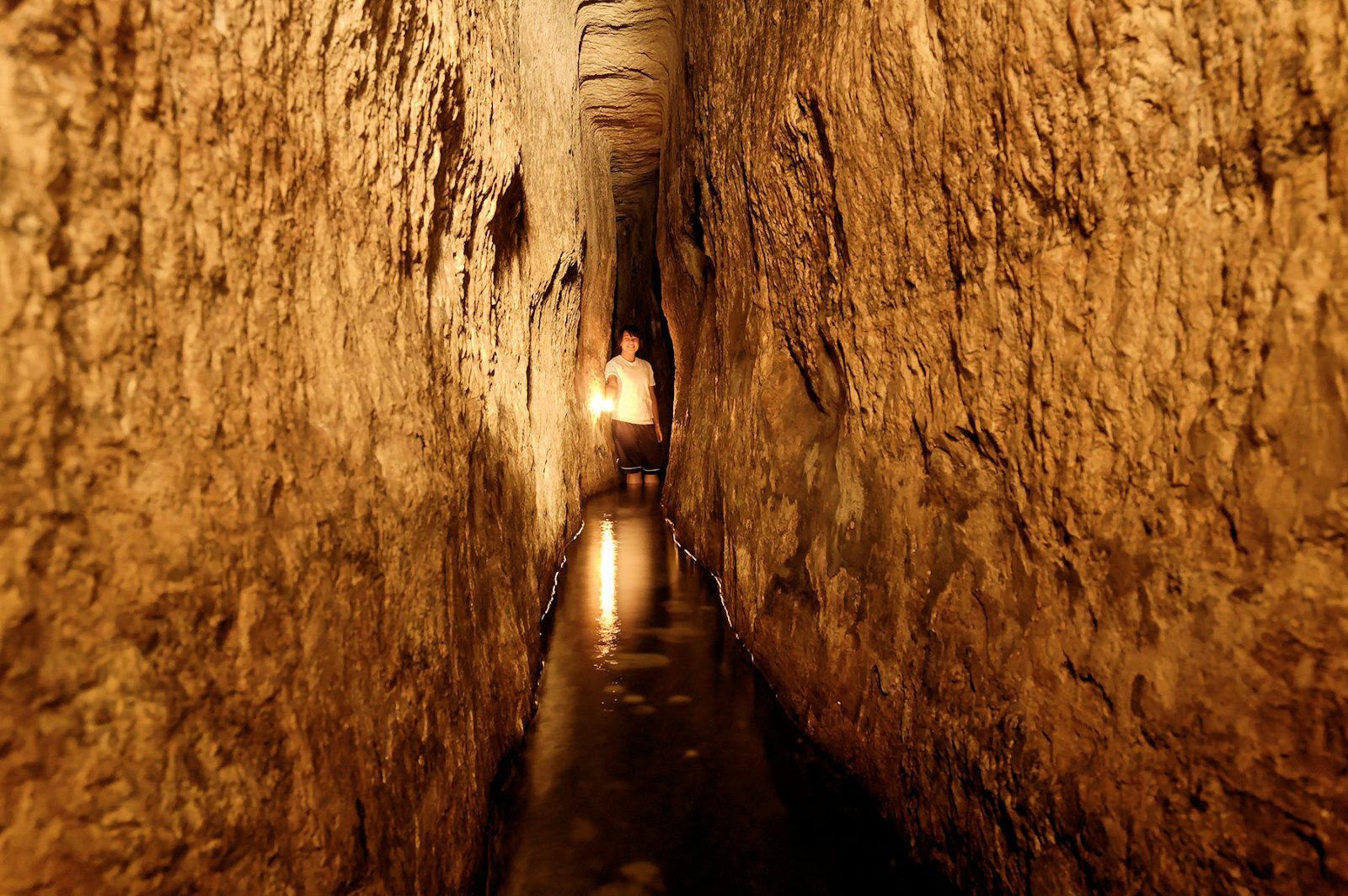
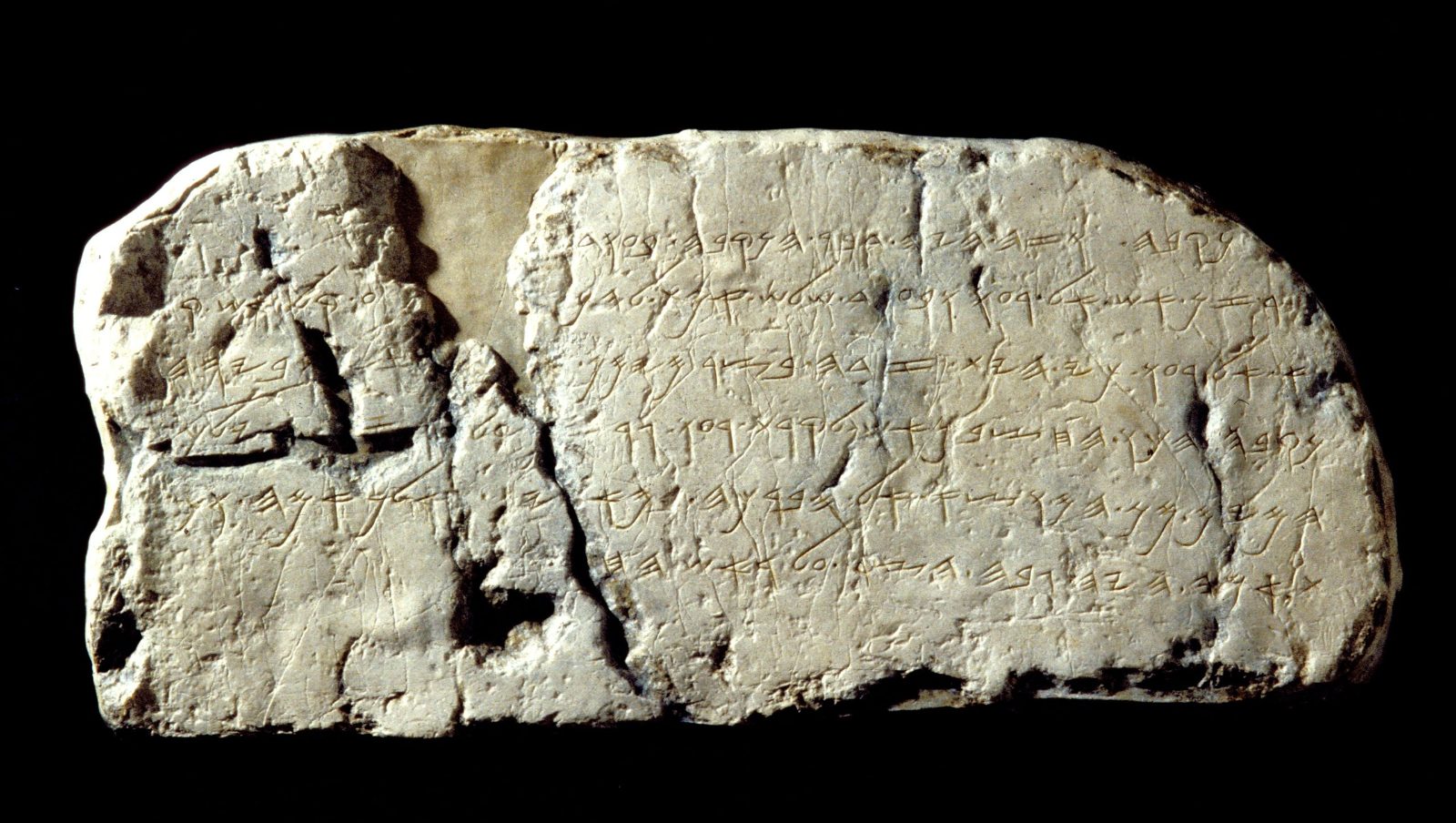
The underground Jerusalem tour network threads through Warren's Shaft, a vertical water system once thought to supply the citadel during siege, and Hezekiah's Tunnel, a 533-meter aqueduct chiseled through solid limestone in 701 BCE to redirect the Gihon Spring inside the city walls ahead of the Assyrian invasion. An inscription discovered in 1880 near the tunnel's southern outlet records the moment two teams of miners, working from opposite ends, met in the dark—a feat of Bronze Age surveying that remains incompletely explained. The tunnel still carries spring water, ankle-deep in summer and waist-high after winter rains, requiring visitors to wade single-file with headlamps through passages so narrow shoulders brush both walls.
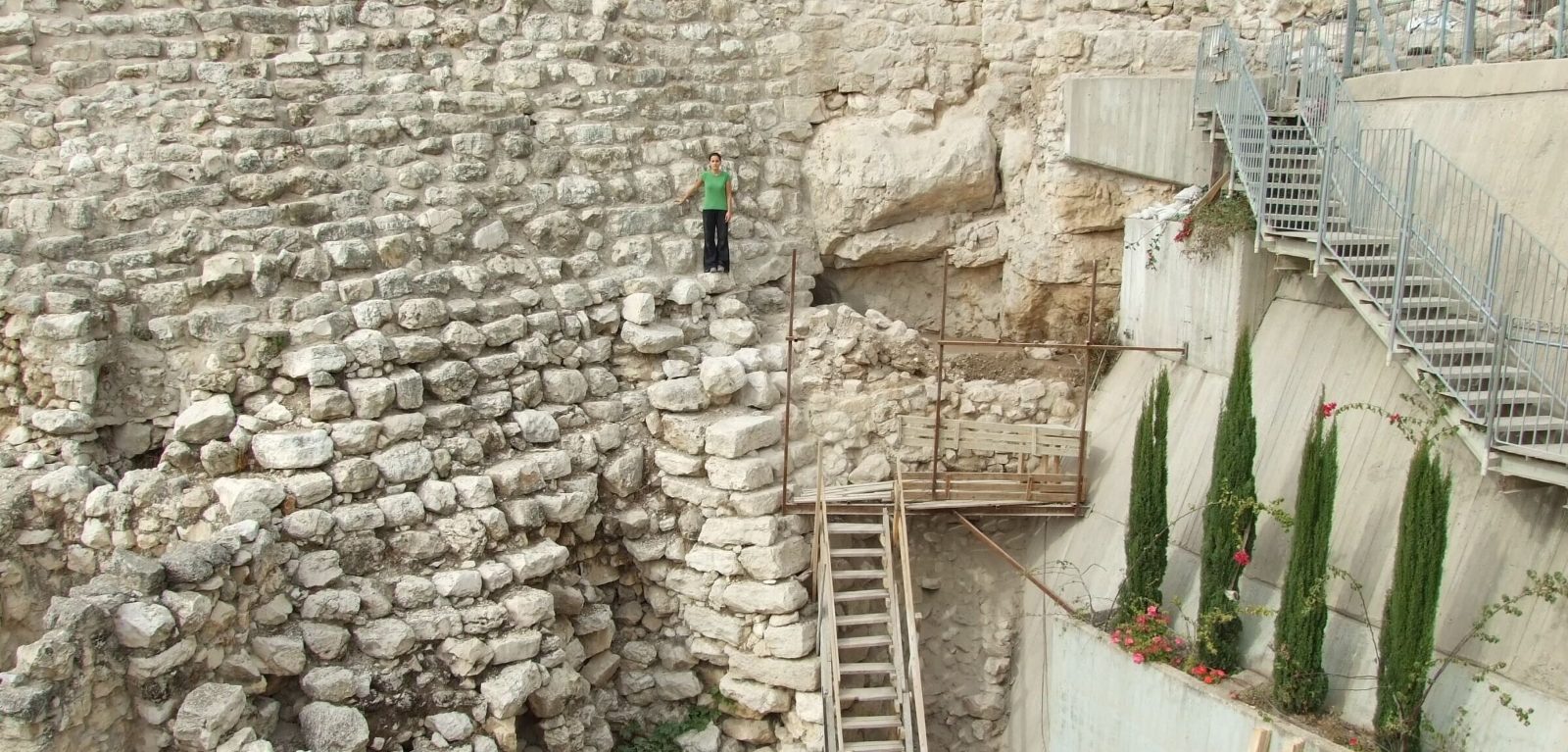
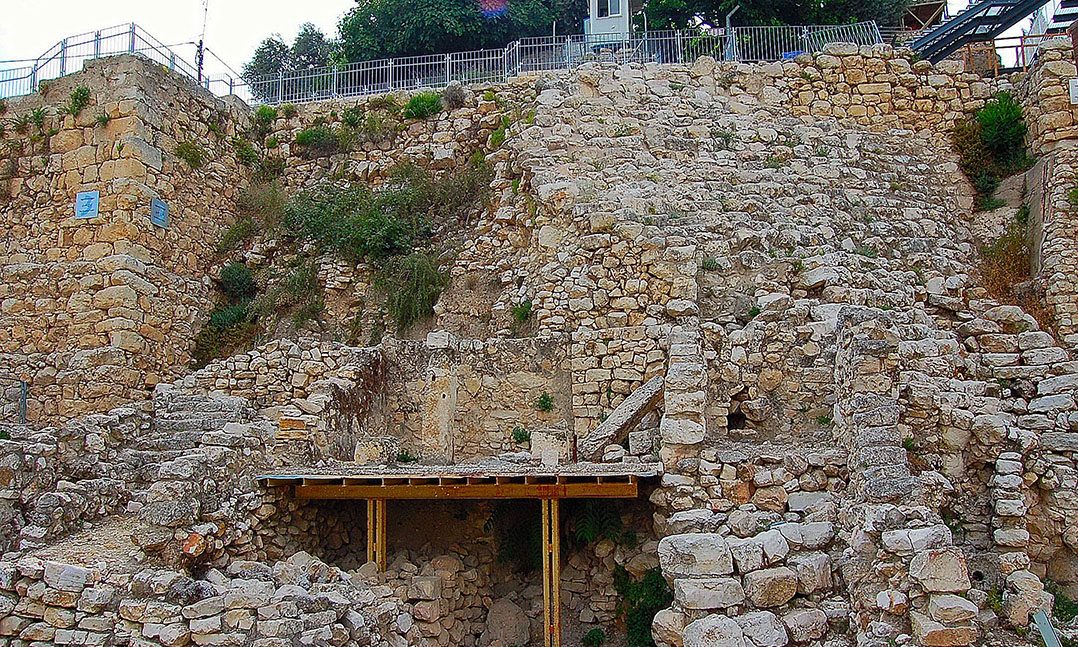
Above the waterworks, the Stepped Stone Structure—a 18-meter terraced escarpment of basalt blocks—has been variously interpreted as a retaining wall for a royal acropolis or the foundation of King David's palace, though radiocarbon dates place the earliest courses in the twelfth century, pre-dating the United Monarchy. Jerusalem tours cost 28 ILS for general admission, granting access to both dry excavation areas and the wet tunnel route. Guides point out the scallop marks left by iron chisels, Roman-era column drums reused as millstones, and First Temple period house foundations with stone toilets still visible in situ. Where the Temple will rise in eschatological tradition remains a matter of theology rather than archaeology, but the material record of Jerusalem's underground strata offers a stratigraphic chronicle of conquest, devotion, and hydraulic ingenuity unmatched in the Levant. The site anchors the larger complex of Jerusalem tourist sites spanning the Kidron Valley, from the Pool of Siloam's recently uncovered Byzantine steps to the necropolis of monumental tombs carved into the eastern slope.
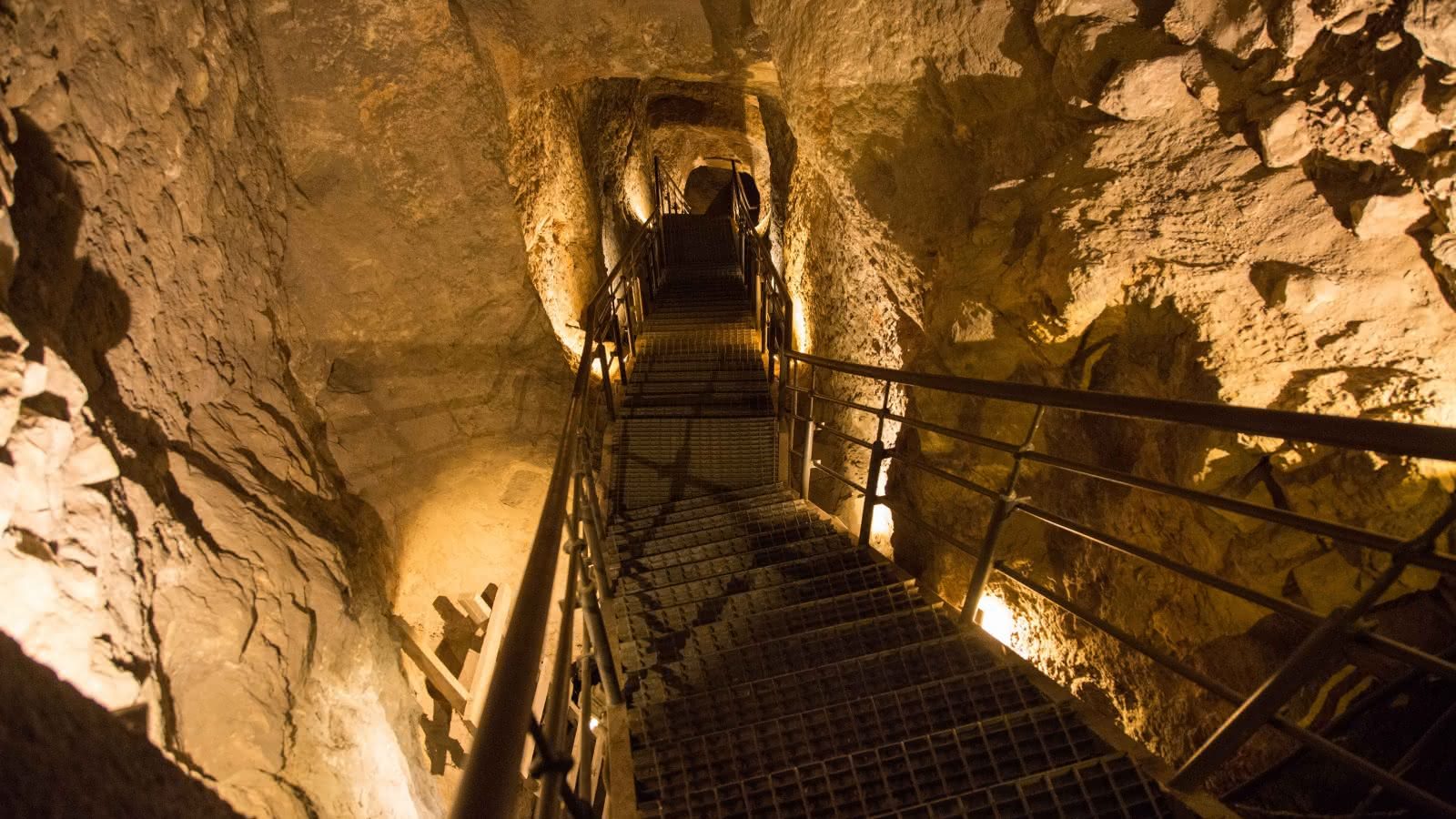
"Two teams of miners, working from opposite ends, met in the dark—a feat of Bronze Age surveying that remains incompletely explained."
A step-by-step walkthrough of Jerusalem Underground tickets — what you'll see, how long each stage takes, and the details that matter.
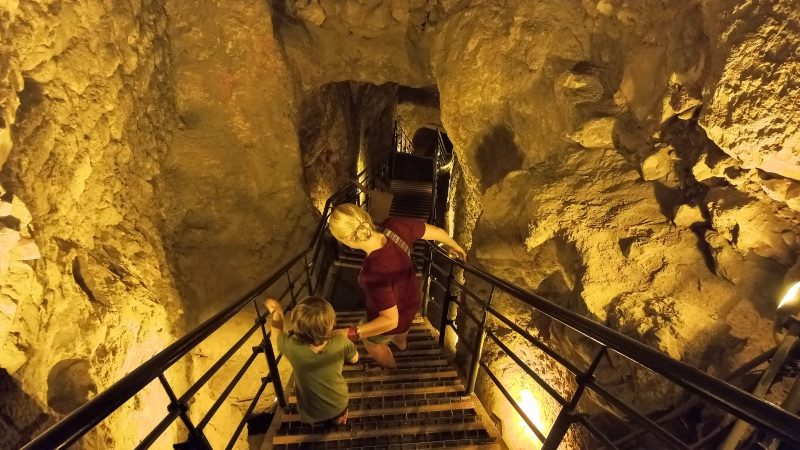
You descend a steel staircase bolted to Warren's Shaft, the vertical channel that once allowed Jebusite water-carriers to reach the Gihon Spring without leaving the city walls. LED strips illuminate chisel scars in the limestone, each groove a record of Bronze Age labor.
At the base, a guide directs you left into Hezekiah's Tunnel, where the ceiling drops to 1.6 meters and the spring water rises over your sandals. You switch on a headlamp and step into the current, following the rope guide as the passage twists southeast. Every fifty meters, niches carved into the walls mark stations where miners rested or stacked tools; halfway through, an iron grille protects the junction where the two crews met, their inscription now replicated on a plaque at eye level.
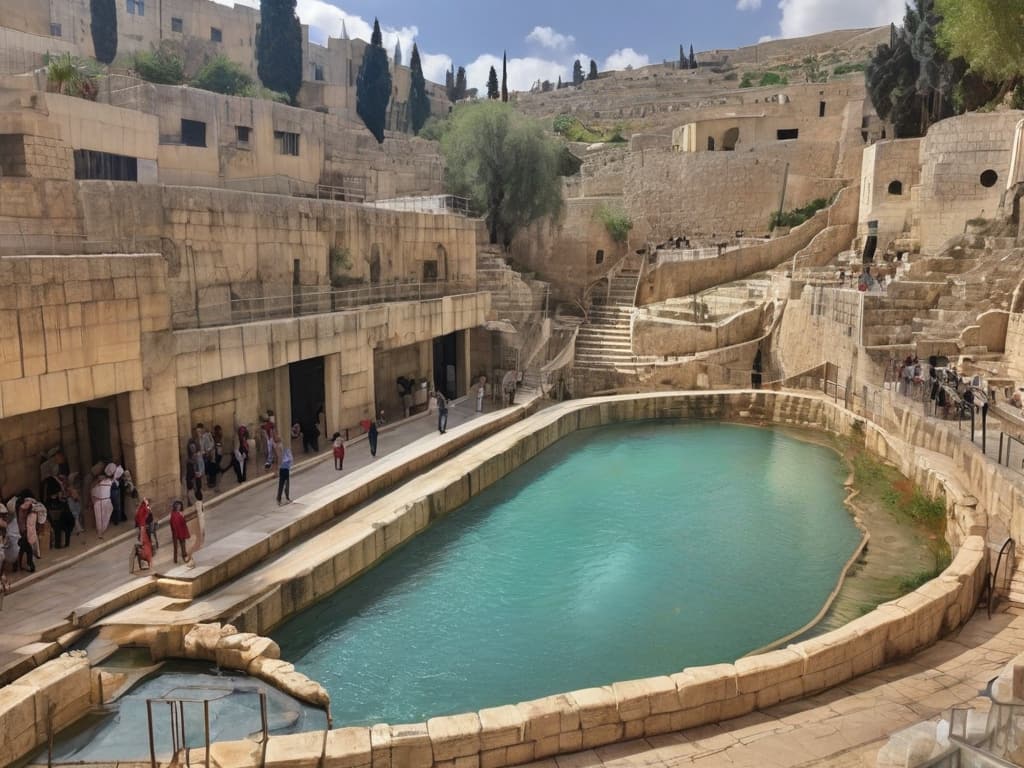
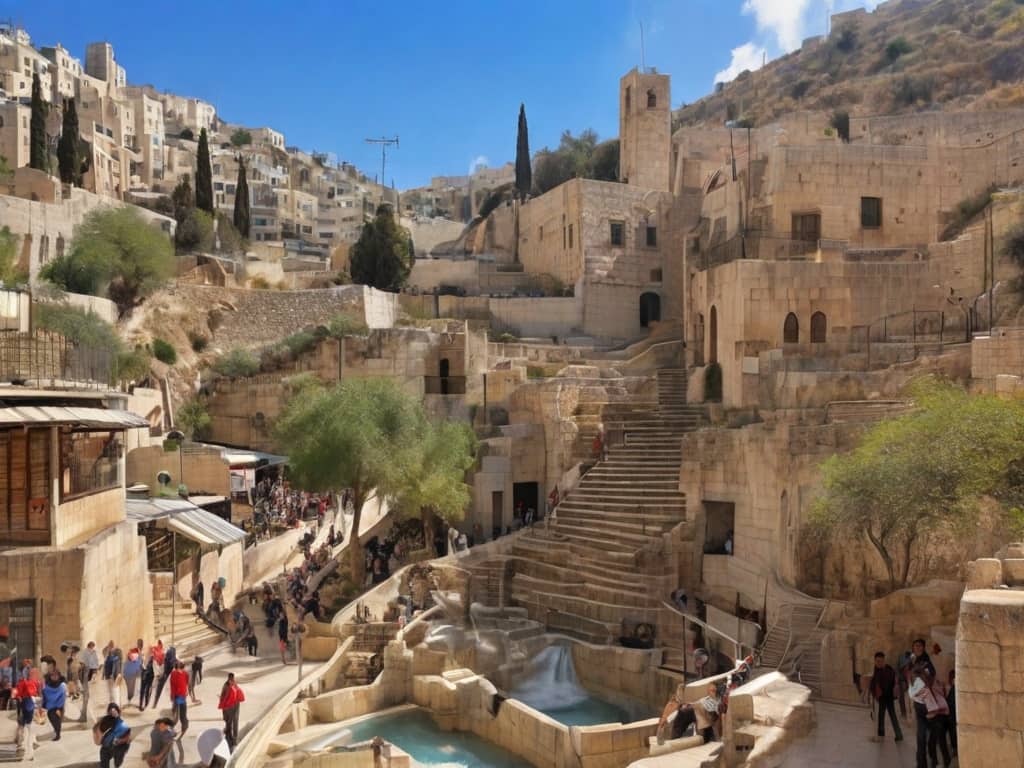
The tunnel exits at the Pool of Siloam, a broad plaza of reconstructed steps where Byzantine pilgrims once bathed. You climb back to the Stepped Stone Structure, a buttress of basalt rising in uneven tiers, and peer through Plexiglas panels into the excavated rooms of an Iron Age house—cooking pots still resting on a stone bench, a limestone toilet seat preserved in an alcove. The City of David tours conclude at the observation deck overlooking the Kidron Valley, where a schematic map traces the expansion of Jerusalem's walls from the Jebusite citadel to Herod's Temple Mount, a millennium of urban growth encoded in concentric stone rings.
The City of David is open Sunday to Thursday from 08:00–19:00 and Fridays from 08:00–16:00. It is closed on Saturdays.
We recommend arriving between 08:00–14:00 to avoid midday crowds and ensure you meet the 2.5-hour pre-closing rule for tunnel entry.
General admission to the City of David starts at 28 ILS per adult.
Yes, the City of David is a family-friendly site, though some tunnels may be challenging for very small children.
Security checks occur at the entrance; lockers are available at the City of David to store personal items.
The water tunnel is a major feature of the City of David experience, but can be skipped for a dry-route tour.
Wear comfortable, sturdy shoes for the jerusalem underground tour; bring water shoes and a change of clothes if you plan to walk through water.
The site is located at Ma'alot Ir David Street, Jerusalem, accessible by bus or taxi near the Dung Gate.
Yes, paid lockers are provided at the City of David to keep your belongings dry and secure during your visit.